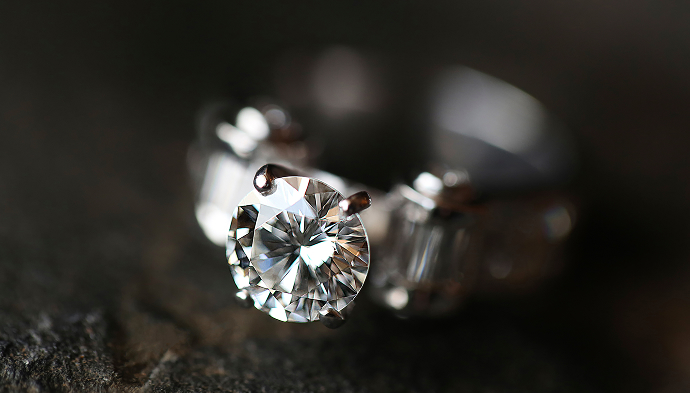
The Science Behind Lab Grown Diamonds: What, How, When, Why
The scientific process behind lab grown diamonds is nothing less than magical. The process of growing diamonds in the laboratory involves a combination of scientific processes that mimic natural processes, and craftsmanship.
The journey from a seed to a polished diamond is a complex one, which involves several calculated and careful steps. The lab diamond manufacturing process involves expertise of various kinds. From the selection of a good quality diamond seed to controlling its growth to polishing and grading, the process involves expertise at all stages.
This blog will guide you through the science behind lab diamonds, the growth process, various components, and more.
Let’s get started!
Factors Involved in Growing Laboratory Diamonds
Some of the key factors involved in creating man-made diamonds are the material, the process, the equipment, among others. Let’s look at some of these factors in detail.
The Diamond Seed
The first thing required to grow engineered diamonds is a diamond seed crystal. Seeds are nothing but crushed diamond powder. The seed is made up of carbon and may also contain other chemicals, such as nitrogen. However, its main component is carbon.
The crystal seeds provide a base for the growth of diamonds. The seeds go through two processes for the creation of lab grown diamonds — High Pressure High Temperature (HPHT) and Chemical Vapor Deposition (CVD). Both these processes are different and engage differently with the diamond seed.
The seed either goes through gases or high temperature and pressure that leads to the growth of layers of carbon atoms. The lab diamond keeps growing bigger based on the atomic patterns of the seed crystal.
CVD vs. HPHT: The Two Primary Methods of Diamond Synthesis
The two processes used to create lab grown diamonds are HPHT and CVD. Let’s go through these processes in detail.
1. HPHT (High Pressure High Temperature)
- Step 1: Selection of a diamond seed crystal
The process begins with the selection of a small, high-quality single-crystal carbon substrate - a diamond seed. The better the quality of the diamond seed, the more superior the final lab grown diamond.
- Step 2: Placing the diamond seed into the growth chamber
The diamond seed is placed along with other elements inside the growth chamber, which is a high-pressure equipment. In the HPHT process, there are two press designs: the Belt Press and the Cubic Press.
- Step 3: Application of high pressure and high temperature
Once inside the chamber, the press begins the process of applying pressure and temperature. The extreme pressure and temperature lead to the process of carbon diffusion, leading to diamond crystallization. The process is controlled for weeks and months until the rough diamond is formed.
- Step 4: Post-growth processes
Once the rough diamond is fully grown, the process of cooling and depressurization begins. The rough diamond is then mechanically and chemically separated from the chamber. Once extracted, the rough diamond goes through the process of polishing, and grading.
2. CVD (Chemical Vapor Deposition)
- Step 1: Selection of the diamond seed and preparation of the chamber
The first step is the selection of a high-purity diamond seed plate. The seed quality is critical because any contamination could get amplified in the CVD growth process.
- Step 2: Placing the seed in the chamber
The seed is mounted in a vacuum-sealed CVD reactor. There are two types of reactors - Microwave Plasma Chemical Vapor Deposition and Hot Filament CVD.
- Step 3: Introduction of growth gasses in the chamber
A combination of glasses, including methane and hydrogen are introduced into the reactor chamber. The flow is controlled. Other gasses are added depending on the color required.
- Step 4: Gas activation and carbon deposition
A combination involving high-power microwave sources, temperatures, and atomic hydrogen lead to the growth process. The process decomposes methane, creating reactions, leading to the formation of the diamond, which can take a few weeks to months.
- Step 5: Post-growth HPHT annealing
CVD diamonds often display brown or grey tint caused by the process. This is eliminated using the post-growth HPHT annealing treatment. The diamonds are then cut, polished, and graded.
When were lab grown diamonds first created?
The origin of lab grown diamonds or synthetic diamonds can be traced back to 1954 when General Electric (GE) scientists created a diamond in the laboratory using the High Pressure High Temperature (HPHT) method. The earliest lab diamonds were mainly used for industrial purposes for cutting and grinding tools. Gem-quality lab grown diamonds were introduced to the market by the 1970s. And by the early 2000, the industry saw advancements in the process of creating diamonds, leading to better quality.
How are lab grown diamonds different from natural diamonds?
|
Factor
|
Lab grown diamonds
|
Natural diamonds
|
|
Origin
|
Lab diamonds are man made diamonds, created in laboratories using advanced tools.
|
Natural diamonds are created under the surface of the Earth due to natural processes.
|
|
Duration
|
Lab grown diamonds can be created within a few weeks to months.
|
Natural diamonds take millions of years to form.
|
|
Quality and purity
|
Lab diamonds have high purity and quality because they are made with controlled processes.
|
Natural diamonds often have inclusions and impurities because they are created due to natural processes that cannot be controlled.
|
|
Price
|
Lab grown diamonds are affordable, and 30 to 50% cheaper than mined diamonds.
|
Mined diamonds are priced highly due to many factors, such as the lengthy process, non-traceability, etc.
|
|
Sustainability
|
Lab created diamonds are sustainable, environmentally friendly, and ethical.
|
Mined diamonds cause environmental pollution and are related to social and political issues.
|
What are lab grown diamonds made of?
Lab diamonds are made of the same materials as mined diamonds. The materials include pure carbon atoms. This leads to the hardness of lab diamonds, which is 10 on the Mohs scale. The two methods used in creating lab diamonds are HPHT and CVD. While the HPHT process involves pressure and temperature, the CVD process involves various gasses. Both lab grown diamonds and natural diamonds have the same chemical, physical, and optical properties, and both are real diamonds, graded with the same standards.
On Conclusion
Creating the best man-made diamonds is science but it is also an art. Lab grown diamonds are created using advanced technology and scientific methods. The industry is continuously experimenting with new methods, technology, and more to expand the field of lab diamonds. If you’re looking for lab grown diamonds or to learn more about them, check out Grown Diamond Corporation to know more about these scientific wonders.
FAQs
Question: What are lab grown diamonds made of?
Answer: Engineered diamonds are made of carbon atoms that go through the same processes that simulate the way diamonds are formed under the Earth’s crust. The starting point of growing diamonds is a diamond seed crystal, in other words, this is a particle of a diamond.
Question: How long does it take for a lab grown diamond to form?
Answer: The process of making lab grown diamonds typically takes a few weeks to a few months. The time taken to grow engineered diamonds depends on the size and quality of the diamond.
Question: Are cultured diamonds considered real diamonds?
Answer: Yes, lab created diamonds are as real as mined diamonds, as they have the same physical, chemical, and optical properties that naturally-made diamonds have.
Question: Are engineered diamonds as strong as natural diamonds?
Answer: Yes, lab diamonds are strong and durable, just like diamonds extracted from the earth. Lab diamonds can be used on a regular basis as well as for special occasions.
Question: Which countries produce the best lab grown diamonds?
Answer: Many countries produce lab grown diamonds, such as the USA, India, and China, among others. India and the USA are known to be the best lab diamond producers in the world.
Question: What is the crystal structure of a lab grown diamond?
Answer: The crystal structure of a lab-created diamond is cubic with the face-centered cubic, and identical to natural diamonds with carbon atoms arranged in a tetrahedral lattice.
Question: What gasses are used in the CVD diamond process?
Answer: The gasses used in the CVD method include methane (CH4) as the carbon source and hydrogen (H2) as the carrier gas.
Question: What is a diamond seed and what is it made of?
Answer: A diamond seed is a thin slice or piece of an existing diamond, which can be natural or lab grown. It is used to grow a new real diamond.
{"AutoID":157,"DateCreation":"\/Date(1730100444240)\/","DateModified":"\/Date(1774603045133)\/","CreatedBy":null,"ModifiedBy":"IMZ 88","RecordStatus":"A","Title":"The Science Behind Lab Grown Diamonds: What, How, When, Why","SubTitle":null,"Description":"\u003cp dir=\"ltr\"\u003eThe scientific process behind lab grown diamonds is nothing less than magical. The process of growing diamonds in the laboratory involves a combination of scientific processes that mimic natural processes, and craftsmanship.\u003c/p\u003e\r\n\r\n\u003cp dir=\"ltr\"\u003eThe journey from a seed to a polished diamond is a complex one, which involves several calculated and careful steps. The lab diamond manufacturing process involves expertise of various kinds. From the selection of a good quality diamond seed to controlling its growth to polishing and grading, the process involves expertise at all stages.\u0026nbsp;\u003c/p\u003e\r\n\r\n\u003cp dir=\"ltr\"\u003eThis blog will guide you through the science behind lab diamonds, the growth process, various components, and more.\u0026nbsp;\u003c/p\u003e\r\n\r\n\u003cp dir=\"ltr\"\u003eLet\u0026rsquo;s get started!\u003c/p\u003e\r\n\r\n\u003ch2 dir=\"ltr\"\u003e\u003cstrong\u003eFactors Involved in Growing Laboratory Diamonds\u003c/strong\u003e\u003c/h2\u003e\r\n\r\n\u003cp dir=\"ltr\"\u003eSome of the key factors involved in creating \u003ca href=\"https://www.growndiamondcorp.com/blog/man-made-diamonds-are-the-future-heres-why/\"\u003eman-made diamonds\u003c/a\u003e are the material, the process, the equipment, among others. Let\u0026rsquo;s look at some of these factors in detail.\u003c/p\u003e\r\n\r\n\u003ch3 dir=\"ltr\"\u003e\u003cstrong\u003eThe Diamond Seed\u003c/strong\u003e\u003c/h3\u003e\r\n\r\n\u003cp dir=\"ltr\"\u003eThe first thing required to grow \u003ca href=\"https://www.growndiamondcorp.com/blog/why-are-lab-created-diamonds-called-engineered-diamonds/\"\u003eengineered diamonds\u003c/a\u003e is a diamond seed crystal. Seeds are nothing but crushed diamond powder. The seed is made up of carbon and may also contain other chemicals, such as nitrogen. However, its main component is carbon.\u003c/p\u003e\r\n\r\n\u003cp\u003e\u0026nbsp;\u003c/p\u003e\r\n\r\n\u003cp dir=\"ltr\"\u003eThe crystal seeds provide a base for the growth of diamonds. The seeds go through two processes for the creation of \u003ca href=\"https://www.growndiamondcorp.com/lab-grown-diamonds/\"\u003elab grown diamonds\u003c/a\u003e \u0026mdash;\u0026nbsp;High Pressure High Temperature\u0026nbsp;(HPHT) and\u0026nbsp;Chemical Vapor Deposition\u0026nbsp;(CVD). Both these processes are different and engage differently with the diamond seed.\u003c/p\u003e\r\n\r\n\u003cp\u003e\u0026nbsp;\u003c/p\u003e\r\n\r\n\u003cp dir=\"ltr\"\u003eThe seed either goes through gases or high temperature and pressure that leads to the growth of layers of carbon atoms. The lab diamond keeps growing bigger based on the atomic patterns of the seed crystal.\u003c/p\u003e\r\n\r\n\u003ch2 dir=\"ltr\"\u003e\u003cstrong\u003eCVD vs. HPHT: The Two Primary Methods of Diamond Synthesis\u003c/strong\u003e\u003c/h2\u003e\r\n\r\n\u003cp dir=\"ltr\"\u003eThe two processes used to create lab grown diamonds are HPHT and CVD. Let\u0026rsquo;s go through these processes in detail.\u003c/p\u003e\r\n\r\n\u003ch4 dir=\"ltr\"\u003e\u003cstrong\u003e1. HPHT\u0026nbsp;(High Pressure High Temperature)\u003c/strong\u003e\u003c/h4\u003e\r\n\r\n\u003cul dir=\"ltr\"\u003e\r\n\t\u003cli\u003e\u003cstrong\u003eStep 1: Selection of a diamond seed crystal\u003c/strong\u003e\u003c/li\u003e\r\n\u003c/ul\u003e\r\n\r\n\u003cp dir=\"ltr\"\u003eThe process begins with the selection of a small, high-quality single-crystal carbon substrate - a diamond seed. The better the quality of the diamond seed, the more superior the final lab grown diamond.\u0026nbsp;\u003c/p\u003e\r\n\r\n\u003cul dir=\"ltr\"\u003e\r\n\t\u003cli\u003e\u003cstrong\u003eStep 2: Placing the diamond seed into the growth chamber\u003c/strong\u003e\u003c/li\u003e\r\n\u003c/ul\u003e\r\n\r\n\u003cp dir=\"ltr\"\u003eThe diamond seed is placed along with other elements inside the growth chamber, which is a high-pressure equipment. In the HPHT process, there are two press designs: the Belt Press and the Cubic Press.\u0026nbsp;\u003c/p\u003e\r\n\r\n\u003cul dir=\"ltr\"\u003e\r\n\t\u003cli\u003e\u003cstrong\u003eStep 3: Application of high pressure and high temperature\u003c/strong\u003e\u003c/li\u003e\r\n\u003c/ul\u003e\r\n\r\n\u003cp dir=\"ltr\"\u003eOnce inside the chamber, the press begins the process of applying pressure and temperature. The extreme pressure and temperature lead to the process of carbon diffusion, leading to diamond crystallization. The process is controlled for weeks and months until the rough diamond is formed.\u003c/p\u003e\r\n\r\n\u003cul dir=\"ltr\"\u003e\r\n\t\u003cli\u003e\u003cstrong\u003eStep 4: Post-growth processes\u003c/strong\u003e\u003c/li\u003e\r\n\u003c/ul\u003e\r\n\r\n\u003cp\u003eOnce the rough diamond is fully grown, the process of cooling and depressurization begins. The rough diamond is then mechanically and chemically separated from the chamber. Once extracted, the rough diamond goes through the process of polishing, and grading.\u003c/p\u003e\r\n\r\n\u003ch4 dir=\"ltr\"\u003e\u0026nbsp;\u003c/h4\u003e\r\n\r\n\u003ch4 dir=\"ltr\"\u003e\u003cstrong\u003e2. CVD\u0026nbsp;(Chemical Vapor Deposition)\u003c/strong\u003e\u003c/h4\u003e\r\n\r\n\u003cul dir=\"ltr\"\u003e\r\n\t\u003cli\u003e\u003cstrong\u003eStep 1: Selection of the diamond seed and preparation of the chamber\u003c/strong\u003e\u003c/li\u003e\r\n\u003c/ul\u003e\r\n\r\n\u003cp dir=\"ltr\"\u003eThe first step is the selection of a high-purity diamond seed plate. The seed quality is critical because any contamination could get amplified in the CVD growth process.\u0026nbsp;\u003c/p\u003e\r\n\r\n\u003cul dir=\"ltr\"\u003e\r\n\t\u003cli\u003e\u003cstrong\u003eStep 2: Placing the seed in the chamber\u003c/strong\u003e\u003c/li\u003e\r\n\u003c/ul\u003e\r\n\r\n\u003cp\u003eThe seed is mounted in a vacuum-sealed CVD reactor. There are two types of reactors - Microwave Plasma Chemical Vapor Deposition and Hot Filament CVD.\u0026nbsp;\u003c/p\u003e\r\n\r\n\u003cul dir=\"ltr\"\u003e\r\n\t\u003cli\u003e\u003cstrong\u003eStep 3: Introduction of growth gasses in the chamber\u003c/strong\u003e\u003c/li\u003e\r\n\u003c/ul\u003e\r\n\r\n\u003cp dir=\"ltr\"\u003eA combination of glasses, including methane and hydrogen are introduced into the reactor chamber. The flow is controlled. Other gasses are added depending on the color required.\u0026nbsp;\u003c/p\u003e\r\n\r\n\u003cul dir=\"ltr\"\u003e\r\n\t\u003cli\u003e\u003cstrong\u003eStep 4: Gas activation and carbon deposition\u0026nbsp;\u003c/strong\u003e\u003c/li\u003e\r\n\u003c/ul\u003e\r\n\r\n\u003cp\u003eA combination involving high-power microwave sources, temperatures, and atomic hydrogen lead to the growth process. The process decomposes methane, creating reactions, leading to the formation of the diamond, which can take a few weeks to months.\u003c/p\u003e\r\n\r\n\u003cul dir=\"ltr\"\u003e\r\n\t\u003cli\u003e\u003cstrong\u003eStep 5: Post-growth HPHT annealing\u0026nbsp;\u003c/strong\u003e\u003c/li\u003e\r\n\u003c/ul\u003e\r\n\r\n\u003cp dir=\"ltr\"\u003eCVD diamonds often display brown or grey tint caused by the process. This is eliminated using the post-growth HPHT annealing treatment. The diamonds are then cut, polished, and graded.\u0026nbsp;\u003c/p\u003e\r\n\r\n\u003cp dir=\"ltr\"\u003e\u0026nbsp;\u003c/p\u003e\r\n\r\n\u003cp\u003e\u0026nbsp;\u003c/p\u003e\r\n\r\n\u003ch2 dir=\"ltr\"\u003e\u003cstrong\u003eWhen were lab grown diamonds first created?\u003c/strong\u003e\u003c/h2\u003e\r\n\r\n\u003cp dir=\"ltr\"\u003eThe origin of lab grown diamonds or synthetic diamonds can be traced back to 1954 when General Electric (GE) scientists created a diamond in the laboratory using the High Pressure High Temperature (HPHT) method. The earliest lab diamonds were mainly used for industrial purposes for cutting and grinding tools. Gem-quality lab grown diamonds were introduced to the market by the 1970s. And by the early 2000, the industry saw advancements in the process of creating diamonds, leading to better quality.\u003c/p\u003e\r\n\r\n\u003cp dir=\"ltr\"\u003e\u0026nbsp;\u003c/p\u003e\r\n\r\n\u003ch2 dir=\"ltr\"\u003e\u003cstrong\u003eHow are lab grown diamonds different from natural diamonds?\u003c/strong\u003e\u003c/h2\u003e\r\n\r\n\u003ctable\u003e\r\n\t\u003ctbody\u003e\r\n\t\t\u003ctr\u003e\r\n\t\t\t\u003ctd\u003e\r\n\t\t\t\u003cp dir=\"ltr\"\u003e\u003cstrong\u003eFactor\u003c/strong\u003e\u003c/p\u003e\r\n\t\t\t\u003c/td\u003e\r\n\t\t\t\u003ctd\u003e\r\n\t\t\t\u003cp dir=\"ltr\"\u003e\u003cstrong\u003eLab grown diamonds\u003c/strong\u003e\u003c/p\u003e\r\n\t\t\t\u003c/td\u003e\r\n\t\t\t\u003ctd\u003e\r\n\t\t\t\u003cp dir=\"ltr\"\u003e\u003cstrong\u003eNatural diamonds\u003c/strong\u003e\u003c/p\u003e\r\n\t\t\t\u003c/td\u003e\r\n\t\t\u003c/tr\u003e\r\n\t\t\u003ctr\u003e\r\n\t\t\t\u003ctd\u003e\r\n\t\t\t\u003cp dir=\"ltr\"\u003e\u003cstrong\u003eOrigin\u003c/strong\u003e\u003c/p\u003e\r\n\t\t\t\u003c/td\u003e\r\n\t\t\t\u003ctd\u003e\r\n\t\t\t\u003cp dir=\"ltr\"\u003eLab diamonds are man made diamonds, created in laboratories using advanced tools.\u003c/p\u003e\r\n\t\t\t\u003c/td\u003e\r\n\t\t\t\u003ctd\u003e\r\n\t\t\t\u003cp dir=\"ltr\"\u003eNatural diamonds are created under the surface of the Earth due to natural processes.\u003c/p\u003e\r\n\t\t\t\u003c/td\u003e\r\n\t\t\u003c/tr\u003e\r\n\t\t\u003ctr\u003e\r\n\t\t\t\u003ctd\u003e\r\n\t\t\t\u003cp dir=\"ltr\"\u003e\u003cstrong\u003eDuration\u003c/strong\u003e\u003c/p\u003e\r\n\t\t\t\u003c/td\u003e\r\n\t\t\t\u003ctd\u003e\r\n\t\t\t\u003cp dir=\"ltr\"\u003eLab grown diamonds can be created within a few weeks to months.\u003c/p\u003e\r\n\t\t\t\u003c/td\u003e\r\n\t\t\t\u003ctd\u003e\r\n\t\t\t\u003cp dir=\"ltr\"\u003eNatural diamonds take millions of years to form.\u003c/p\u003e\r\n\t\t\t\u003c/td\u003e\r\n\t\t\u003c/tr\u003e\r\n\t\t\u003ctr\u003e\r\n\t\t\t\u003ctd\u003e\r\n\t\t\t\u003cp dir=\"ltr\"\u003e\u003cstrong\u003eQuality and purity\u003c/strong\u003e\u003c/p\u003e\r\n\t\t\t\u003c/td\u003e\r\n\t\t\t\u003ctd\u003e\r\n\t\t\t\u003cp dir=\"ltr\"\u003eLab diamonds have high purity and quality because they are made with controlled processes.\u003c/p\u003e\r\n\t\t\t\u003c/td\u003e\r\n\t\t\t\u003ctd\u003e\r\n\t\t\t\u003cp dir=\"ltr\"\u003eNatural diamonds often have inclusions and impurities because they are created due to natural processes that cannot be controlled.\u003c/p\u003e\r\n\t\t\t\u003c/td\u003e\r\n\t\t\u003c/tr\u003e\r\n\t\t\u003ctr\u003e\r\n\t\t\t\u003ctd\u003e\r\n\t\t\t\u003cp dir=\"ltr\"\u003e\u003cstrong\u003ePrice\u003c/strong\u003e\u003c/p\u003e\r\n\t\t\t\u003c/td\u003e\r\n\t\t\t\u003ctd\u003e\r\n\t\t\t\u003cp dir=\"ltr\"\u003eLab grown diamonds are affordable, and 30 to 50% cheaper than mined diamonds.\u0026nbsp;\u003c/p\u003e\r\n\t\t\t\u003c/td\u003e\r\n\t\t\t\u003ctd\u003e\r\n\t\t\t\u003cp dir=\"ltr\"\u003eMined diamonds are priced highly due to many factors, such as the lengthy process, non-traceability, etc.\u003c/p\u003e\r\n\t\t\t\u003c/td\u003e\r\n\t\t\u003c/tr\u003e\r\n\t\t\u003ctr\u003e\r\n\t\t\t\u003ctd\u003e\r\n\t\t\t\u003cp dir=\"ltr\"\u003e\u003cstrong\u003eSustainability\u003c/strong\u003e\u003c/p\u003e\r\n\t\t\t\u003c/td\u003e\r\n\t\t\t\u003ctd\u003e\r\n\t\t\t\u003cp dir=\"ltr\"\u003eLab created diamonds are sustainable, environmentally friendly, and ethical.\u0026nbsp;\u003c/p\u003e\r\n\t\t\t\u003c/td\u003e\r\n\t\t\t\u003ctd\u003e\r\n\t\t\t\u003cp dir=\"ltr\"\u003eMined diamonds cause environmental pollution and are related to social and political issues.\u0026nbsp;\u003c/p\u003e\r\n\t\t\t\u003c/td\u003e\r\n\t\t\u003c/tr\u003e\r\n\t\u003c/tbody\u003e\r\n\u003c/table\u003e\r\n\r\n\u003cp dir=\"ltr\"\u003e\u0026nbsp;\u003c/p\u003e\r\n\r\n\u003ch2 dir=\"ltr\"\u003e\u003cstrong\u003eWhat are lab grown diamonds made of?\u003c/strong\u003e\u003c/h2\u003e\r\n\r\n\u003cp dir=\"ltr\"\u003eLab diamonds are made of the same materials as mined diamonds. The materials include pure carbon atoms. This leads to the hardness of lab diamonds, which is 10 on the Mohs scale. The two methods used in creating lab diamonds are HPHT and CVD. While the HPHT process involves pressure and temperature, the CVD process involves various gasses. Both lab grown diamonds and natural diamonds have the same chemical, physical, and optical properties, and both are real diamonds, graded with the same standards.\u003c/p\u003e\r\n\r\n\u003cp dir=\"ltr\"\u003e\u0026nbsp;\u003c/p\u003e\r\n\r\n\u003ch2 dir=\"ltr\"\u003e\u003cstrong\u003eOn Conclusion\u003c/strong\u003e\u003c/h2\u003e\r\n\r\n\u003cp dir=\"ltr\"\u003eCreating the best man-made diamonds is science but it is also an art. Lab grown diamonds are created using advanced technology and scientific methods. The industry is continuously experimenting with new methods, technology, and more to expand the field of lab diamonds. If you\u0026rsquo;re looking for\u0026nbsp;lab grown diamonds\u0026nbsp;or to learn more about them, check out\u0026nbsp;\u003ca href=\"https://www.growndiamondcorp.com/\"\u003eGrown Diamond Corporation\u003c/a\u003e\u0026nbsp;to know more about these scientific wonders.\u003c/p\u003e\r\n\r\n\u003ch3 dir=\"ltr\"\u003eFAQs\u003c/h3\u003e\r\n\r\n\u003cp dir=\"ltr\"\u003e\u003cstrong\u003eQuestion: What are lab grown diamonds made of?\u003c/strong\u003e\u003c/p\u003e\r\n\r\n\u003cp dir=\"ltr\"\u003e\u003cstrong\u003eAnswer: \u003c/strong\u003eEngineered diamonds are made of carbon atoms that go through the same processes that simulate the way diamonds are formed under the Earth\u0026rsquo;s crust. The starting point of growing diamonds is a diamond seed crystal, in other words, this is a particle of a diamond.\u003c/p\u003e\r\n\r\n\u003cp\u003e\u0026nbsp;\u003c/p\u003e\r\n\r\n\u003cp dir=\"ltr\"\u003e\u003cstrong\u003eQuestion: How long does it take for a lab grown diamond to form?\u003c/strong\u003e\u003c/p\u003e\r\n\r\n\u003cp dir=\"ltr\"\u003e\u003cstrong\u003eAnswer: \u003c/strong\u003eThe process of making lab grown diamonds typically takes a few weeks to a few months. The time taken to grow engineered diamonds depends on the size and quality of the diamond.\u003c/p\u003e\r\n\r\n\u003cp\u003e\u0026nbsp;\u003c/p\u003e\r\n\r\n\u003cp dir=\"ltr\"\u003e\u003cstrong\u003eQuestion: Are cultured diamonds considered real diamonds?\u003c/strong\u003e\u003c/p\u003e\r\n\r\n\u003cp dir=\"ltr\"\u003e\u003cstrong\u003eAnswer: \u003c/strong\u003eYes, \u003ca href=\"https://www.growndiamondcorp.com/blog/types-of-lab-grown-diamonds/\"\u003elab created diamonds\u003c/a\u003e are as real as mined diamonds, as they have the same physical, chemical, and optical properties that naturally-made diamonds have.\u003c/p\u003e\r\n\r\n\u003cp\u003e\u0026nbsp;\u003c/p\u003e\r\n\r\n\u003cp dir=\"ltr\"\u003e\u003cstrong\u003eQuestion: Are engineered diamonds as strong as natural diamonds?\u003c/strong\u003e\u003c/p\u003e\r\n\r\n\u003cp dir=\"ltr\"\u003e\u003cstrong\u003eAnswer: \u003c/strong\u003eYes, lab diamonds are strong and durable, just like diamonds extracted from the earth. Lab diamonds can be used on a regular basis as well as for special occasions.\u003c/p\u003e\r\n\r\n\u003cp dir=\"ltr\"\u003e\u0026nbsp;\u003c/p\u003e\r\n\r\n\u003cp dir=\"ltr\"\u003e\u003cstrong\u003eQuestion:\u003c/strong\u003e\u0026nbsp;\u003cstrong\u003eWhich countries produce the best lab grown diamonds?\u003c/strong\u003e\u003c/p\u003e\r\n\r\n\u003cp dir=\"ltr\"\u003e\u003cstrong\u003eAnswer:\u0026nbsp;\u003c/strong\u003eMany countries produce lab grown diamonds, such as the USA, India, and China, among others. India and the USA are known to be the \u003ca href=\"https://www.growndiamondcorp.com/\"\u003ebest lab diamond producers\u003c/a\u003e in the world.\u003c/p\u003e\r\n\r\n\u003cp dir=\"ltr\"\u003e\u0026nbsp;\u003c/p\u003e\r\n\r\n\u003cp dir=\"ltr\"\u003e\u003cstrong\u003eQuestion: What is the crystal structure of a lab grown diamond?\u003c/strong\u003e\u003c/p\u003e\r\n\r\n\u003cp dir=\"ltr\"\u003e\u003cstrong\u003eAnswer: \u003c/strong\u003eThe crystal structure of a lab-created diamond is cubic with the face-centered cubic, and identical to natural diamonds with carbon atoms arranged in a tetrahedral lattice.\u003c/p\u003e\r\n\r\n\u003cp dir=\"ltr\"\u003e\u0026nbsp;\u003c/p\u003e\r\n\r\n\u003cp dir=\"ltr\"\u003e\u003cstrong\u003eQuestion: What gasses are used in the CVD diamond process?\u003c/strong\u003e\u003c/p\u003e\r\n\r\n\u003cp dir=\"ltr\"\u003e\u003cstrong\u003eAnswer:\u003c/strong\u003e The gasses used in the CVD method include methane (CH4) as the carbon source and hydrogen (H2) as the carrier gas.\u003c/p\u003e\r\n\r\n\u003cp dir=\"ltr\"\u003e\u0026nbsp;\u003c/p\u003e\r\n\r\n\u003cp dir=\"ltr\"\u003e\u003cstrong\u003eQuestion: What is a diamond seed and what is it made of?\u003c/strong\u003e\u003c/p\u003e\r\n\r\n\u003cp dir=\"ltr\"\u003e\u003cstrong\u003eAnswer: \u003c/strong\u003eA diamond seed is a thin slice or piece of an existing diamond, which can be natural or lab grown. It is used to grow a new real diamond.\u0026nbsp;\u003cbr /\u003e\r\n\u0026nbsp;\u003c/p\u003e\r\n","FromDate":null,"ToDate":null,"Image_Url":"the-science-behind-lab-grown-diamonds-what-how-when-why.jpg","Image_Alt":"Science Behind The Lab Grown Diamond","KeyWords":"lab grown diamonds, manufactured diamonds, engineered diamonds","MetaDescription":"Uncover the science of lab-grown diamonds! Learn how HPHT and CVD processes turn carbon seeds into dazzling gems in this insightful blog.","MetaTitle":"The Science Behind Lab Grown Diamonds: What, How, When, Why","CanonicalLink":null,"MetaContent":"\u003cscript type=\"application/ld+json\"\u003e\r\n{\r\n \"@context\": \"https://schema.org\",\r\n \"@type\": \"FAQPage\",\r\n \"mainEntity\": [{\r\n \"@type\": \"Question\",\r\n \"name\": \"What are lab grown diamonds made of?\",\r\n \"acceptedAnswer\": {\r\n \"@type\": \"Answer\",\r\n \"text\": \"Engineered diamonds are made of carbon atoms that go through the same processes that simulate the way diamonds are formed under the Earth’s crust. The starting point of growing diamonds is a diamond seed crystal, in other words, this is a particle of a diamond.\"\r\n }\r\n },{\r\n \"@type\": \"Question\",\r\n \"name\": \"How long does it take for a lab grown diamond to form?\",\r\n \"acceptedAnswer\": {\r\n \"@type\": \"Answer\",\r\n \"text\": \"The process of making lab grown diamonds typically takes a few weeks to a few months. The time taken to grow engineered diamonds depends on the size and quality of the diamond.\"\r\n }\r\n },{\r\n \"@type\": \"Question\",\r\n \"name\": \"Are cultured diamonds considered real diamonds?\",\r\n \"acceptedAnswer\": {\r\n \"@type\": \"Answer\",\r\n \"text\": \"Yes, lab cultured diamonds are as real as mined diamonds, as they have the same physical, chemical, and optical properties that naturally-made diamonds have.\"\r\n }\r\n },{\r\n \"@type\": \"Question\",\r\n \"name\": \"Are engineered diamonds as strong as natural diamonds?\",\r\n \"acceptedAnswer\": {\r\n \"@type\": \"Answer\",\r\n \"text\": \"Yes, lab diamonds are strong and durable, just like diamonds extracted from the earth. Lab diamonds can be used on a regular basis as well as for special occasions.\"\r\n }\r\n },{\r\n \"@type\": \"Question\",\r\n \"name\": \"Which countries produce the best lab grown diamonds?\",\r\n \"acceptedAnswer\": {\r\n \"@type\": \"Answer\",\r\n \"text\": \"Many countries produce lab grown diamonds, such as the USA, India, and China, among others. India and the USA are known to be the best lab diamond producers in the world.\"\r\n }\r\n }]\r\n}\r\n\u003c/script\u003e\r\n\r\n\r\n\u003c!-- Open Graph / Facebook --\u003e\r\n\u003cmeta property=\"og:type\" content=\"website\"\u003e\r\n\u003cmeta property=\"og:url\" content =\"https://www.growndiamondcorp.com/blog/the-science-behind-lab-grown-diamonds-what-how-when-why/\"\u003e\r\n\u003cmeta property=\"og:title\" content=\"The Science Behind Lab Grown Diamonds: What, How, When, Why | Grown Diamond Corporation\"\u003e\r\n\u003cmeta property=\"og:description\" content=\"Uncover the science of lab-grown diamonds! Learn how HPHT and CVD processes turn carbon seeds into dazzling gems in this insightful blog.\"\u003e\r\n\u003cmeta property=\"og:image\" content=\"https://docs.growndiamondcorp.com/blog/the-science-behind-lab-grown-diamonds-what-how-when-why.jpg\"\u003e\r\n\r\n\u003c!-- Twitter --\u003e\r\n\u003cmeta property=\"twitter:card\" content=\"summary_large_image\"\u003e\r\n\u003cmeta property=\"twitter:url\" content=\"https://www.growndiamondcorp.com/blog/the-science-behind-lab-grown-diamonds-what-how-when-why/\"\u003e\r\n\u003cmeta property=\"twitter:title\" content=\"The Science Behind Lab Grown Diamonds: What, How, When, Why | Grown Diamond Corporation\"\u003e\r\n\u003cmeta property=\"twitter:description\" content=\"Uncover the science of lab-grown diamonds! Learn how HPHT and CVD processes turn carbon seeds into dazzling gems in this insightful blog.”\u003e\r\n\u003cmeta property=\"twitter:image\" content=\"https://docs.growndiamondcorp.com/blog/the-science-behind-lab-grown-diamonds-what-how-when-why.jpg\"\u003e\r\n","SeqNo":null,"Slug":"the-science-behind-lab-grown-diamonds-what-how-when-why","GetTitle":"the-science-behind-lab-grown-diamonds-what-how-when-why","GetImageUrl":"https://docs.growndiamondcorp.com/blog/the-science-behind-lab-grown-diamonds-what-how-when-why.jpg"}